
The Leadership Garden: Growing Roses, Pulling Weeds, and Handling Chaos
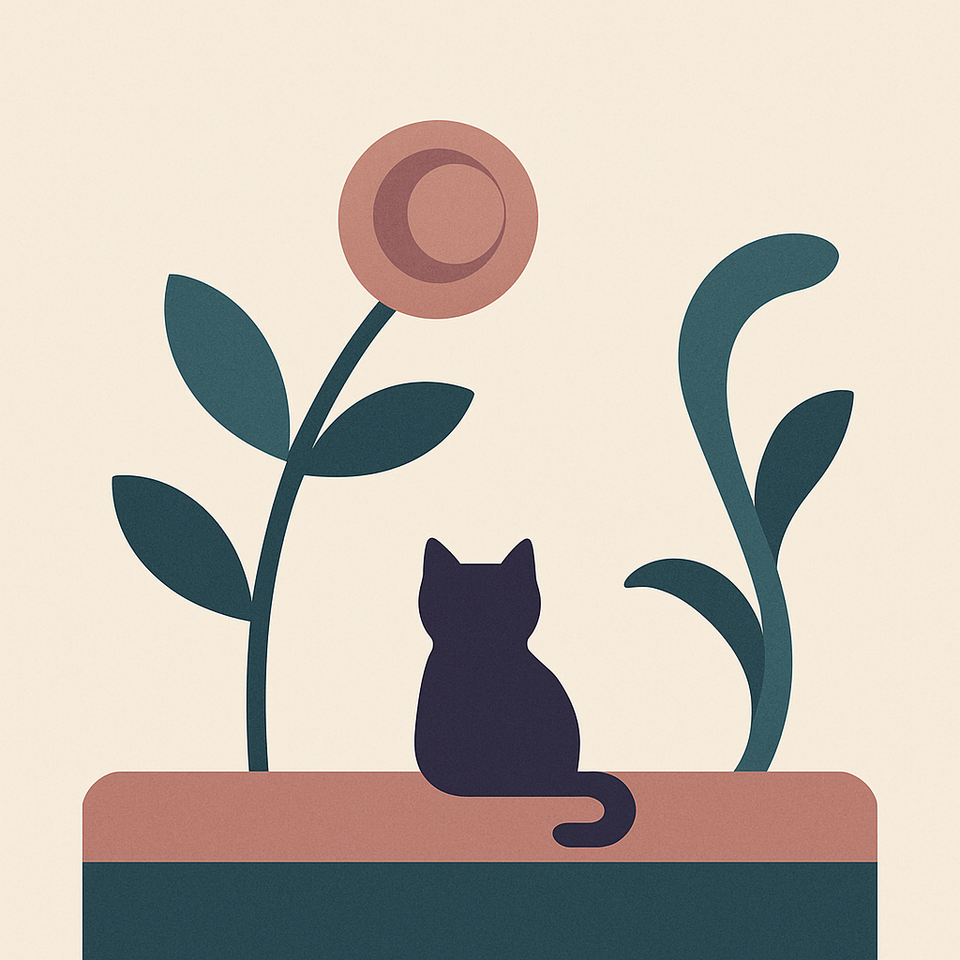
Leadership, I’ve learned, is basically one long season of gardening. Some days everything is blooming beautifully, and other days you’re just standing there wondering why a metaphorical cat has decided to sit directly on the freshly watered soil you just prepped.
Let’s start with the roses.
“Growing roses” sounds glamorous — until you remember roses also have thorns. In leadership, the rose moments are the obvious wins: projects running smoothly, the team humming along, no Slack messages that start with “quick question…” at 8:59 pm. But even the prettiest rose has that one thorn — the team member who isn’t being a team player, or the project where everything suddenly goes wrong for no logical reason other than the universe being dramatic.
Then there are the “weed-pulling” days.
The conversations no one likes to have. The heaviness. The dread. The wondering — even though you know you’ve done everything you could — whether you should’ve watered differently or added more sunlight or performed some kind of leadership rain dance. These moments don’t happen often for me, but when they do, they stick. Whether it’s telling someone there won’t be a salary increase or dealing with a hire who’s blaming the entire ecosystem for their lack of growth, it always leaves you questioning the soil, the tools, and for a moment… yourself.
And then… there’s the cat.
Every leader has met the cat.
In my world, the cat is the completely random fire that pulls in the entire team — even the people nowhere near the fire. Suddenly everyone’s crowding around the drama, deadlines are falling over, and I’m doing the thing every leader does:
internally screaming while externally pretending everything is totally fine.
Because the quickest way to make a fire worse is by letting everyone see you panic. So, you breathe, you steady yourself, you patch the hole, you reassign tasks, and later you go sit in a quiet corner and whisper “why” into the void.
Balancing nurturing and pruning is the real art.
I want my team to grow, and not just when things are smooth. When they’re thriving, I push for more learning, more soft skills, more moments of curiosity. When things are rough, I’m right there on the floor with them — helping them pick themselves up, dust off the soil, and try again. I’ve learned that leadership is showing up consistently, not just when the garden looks pretty.
And I’ve definitely over-watered things before. Early in my career, I hovered over everything. Overthinking. Over-managing. Over-planning. I was so scared of messing up that I soaked everything. With time, I learned to step back. To trust the roots. To let things grow without me constantly poking at them.
One of my biggest gardening lessons came from a hire who turned out to be… well, let’s call them a very stubborn weed. They did no work, blamed everyone else, and somehow made me feel like the problem. It sent me into an imposter-syndrome spiral so deep I could’ve used a rope ladder. But after some real reflection — and a gentle nudge from our HR person reminding me this wasn’t my fault — I climbed out. I looked at the rest of my team thriving and realised: I built this garden too.
And honestly, that’s the point.
Leadership isn’t about having a perfect garden.
It’s about tending what you have — the roses, the weeds, the chaotic cat — with patience, presence, and the willingness to start fresh after the storm. Some days you’ll bloom. Some days you’ll just try not to get scratched. And some days you'll simply laugh at the absurdity of it all — because somehow, despite everything, things still grow.