
Why Teams Need a Soft Start After the Holidays
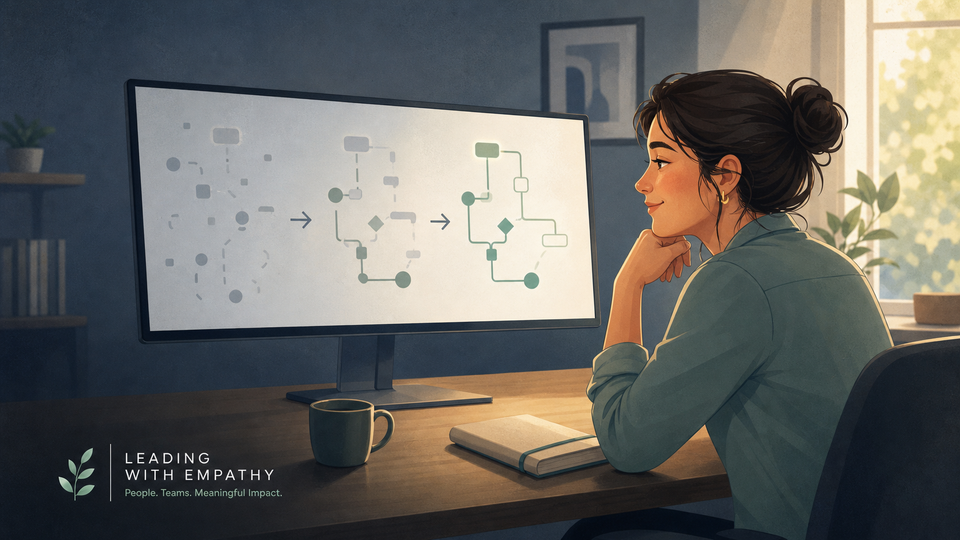
There is something strange about returning to work after a long holiday. You sit down at the same desk, open the same laptop and look at code you definitely understood a few weeks ago.
For a moment, it may as well have been written by somebody else.
The first morning back is usually filled with small acts of remembering. Which project were we working on? Why did we make that decision? Where does this service live? What was my password again? If English is not your first language, you might briefly forget how to speak that too.
We joke about forgetting how to code, but that really is what returning to technical work can feel like, especially when you made the very sensible decision not to spend your holiday upskilling or building a side project. Your brain has been somewhere else. It needs a little time to find its way back.
I have never liked the pressure to begin a new year with a bang.
People return to full calendars, reopened roadmaps and leaders who are already talking about urgency. Before everyone has remembered what they were building, they are expected to make decisions about what comes next. There is often an unspoken belief that the quickest way to create momentum is to demand it immediately.
That has rarely been my experience.
When people feel pressured before they have found their rhythm, you can see the frustration on their faces. They are trying to retrieve the reasoning from the previous year while somebody waits for an instant answer. That pressure does not make the memory return any faster. It usually leads to rushed decisions and missed details because people are answering before they have had the chance to remember the why or the how.
Sometimes all they need is a little longer.
Give someone space to think about a question, and they will often return with the context that seemed completely unavailable ten minutes earlier. You can almost see the previous year loading back into their brain. A technical decision reconnects with the conversation that shaped it. One remembered detail leads to another, and soon the work begins to feel familiar again.
That is what I mean by a soft start.
It might mean lighter expectations during the first day or two. It might mean accepting that an answer will take a bit longer because somebody needs to go and find the reasoning behind it. It might mean taking a break when your brain has decided that opening the repository was enough achievement for one morning.
None of this means the work disappears. By the third day, people should be finding their rhythm again and the real work needs to begin. If somebody is still struggling after that, then it is worth understanding why and deciding what support or accountability is needed next.
A soft start is not an indefinite period of avoiding necessary work. It is simply an acknowledgement that people do not return from a holiday as machines waiting to be switched back on.
I also do not think this approach automatically applies to every kind of beginning. A new team forming, a new person joining or a group starting unfamiliar work each brings different needs. Those moments require more context, support and deliberate leadership than a couple of quiet days.
Returning from a holiday is simpler. People already know the work and one another. They just need a little time to remember what they know.
There is also something about the first few days of a year that can shape how everything afterwards feels. If we begin with panic, full sprint goals and manufactured urgency, it is easy for that pace to become normal. One rush leads into the next until the year feels like a single long deadline.
Starting calmly gives us a chance to choose a different rhythm.
People usually find their way back without being pushed. They begin answering more quickly. The jokes about forgetting how to code fade. Conversations become easier, the context returns and the team starts moving again.
Taking a day or two to get the juices flowing is not a lack of ambition. It is not lowering the standard or pretending that deadlines do not exist. It is allowing the brain to return to the work before demanding its best thinking.
If you have come back from a holiday and cannot immediately remember what half the code does, you are probably fine. Give it a moment. Find the context. Ask the slightly embarrassing question. Take the break if you need it.
The work will still be there when your brain catches up.
Member discussion