Burnout Doesn’t Start With Exhaustion — The Early Signs Leaders Miss

I’ve burned out twice in my career.
Neither time began with collapse. There were no dramatic resignations, no missed deadlines, no visible breakdowns. From the outside, I was still delivering. Still leading. Still functioning.
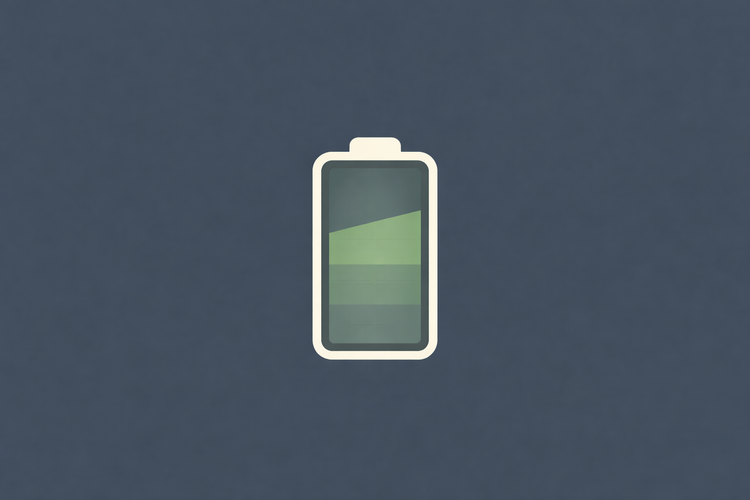
It started with being tired.
Not the kind of tired that a weekend off can fix. The kind that settles into your bones and slowly changes how you show up. My energy shifted first. Conversations that once felt engaging started feeling heavy. I found myself growing irritated — especially when what was said in leadership meetings didn’t reflect what was actually happening on the floor. The gap between words and reality became harder to ignore.
At some point, I was simply too tired to fight it.
That’s when the silence crept in.
I debated less. I challenged less. I withdrew from conversations I normally would have shaped. It didn’t look dramatic. If anything, it probably looked like maturity. Calmness. Professional restraint.
But it wasn’t growth.
It was depletion.
The first time it happened, no one noticed. The second time, a few people wondered why I wasn’t acting like I usually did. But no one directly asked if I was okay. And to be fair, I probably wouldn’t have known how to answer them.
Senior people are very good at looking okay.
We know how to deliver under pressure. We know how to absorb tension. We know how to translate chaos into clarity for everyone else. When you’re the one everyone counts on, you don’t feel like you’re allowed to wobble. Other people are carrying heavy loads too — so why can’t you?
So you keep going.
You smile. You say you’re fine. You convince yourself that this is just part of leadership.
Over time, though, something else changes. It’s not just your energy. It’s your belief. You start to question whether your voice actually shifts anything. You stop pushing quite as hard for better decisions. You let things slide that you once would have challenged. Not because you don’t care — but because caring costs energy, and you’re running low.
I’ve seen this happen in other senior engineers and leaders as well. It rarely shows up as poor performance in the beginning. Instead, it shows up as a personality shift. Someone who was once engaged and thoughtful begins to look flat. Their calendar fills up with meetings about things that don’t really matter. Their influence narrows. Their spark dims.
From the outside, it’s easy to assume they’re just busy.
But busy doesn’t hollow out your personality.
Hopelessness does.
One of the biggest mistakes leaders make is misreading silence as stability. We tell ourselves someone is just under pressure. We accept “I’m fine” without looking deeper. I’ve done this too. I’ve taken the smile at face value. I’ve assumed that because delivery is still happening, everything must be okay.
But burnout in senior people doesn’t always interrupt output.
It interrupts engagement.
It flattens curiosity. It softens conviction. It replaces fire with neutrality.
And neutrality, in someone who used to care loudly, is a signal.
I do things differently now. I don’t ask dramatic questions. I don’t frame it as a crisis. Instead, I pay attention to shifts. If someone says they’re busy, I ask what kind of busy. If they say they’re fine, I ask what’s taking the most energy lately. But more than the wording of the questions, it’s the relationship that matters. People rarely open up in a moment of strain if trust hasn’t been built long before.
When you intervene early — when you acknowledge the weight before someone collapses under it — it changes things. Sometimes what someone needs isn’t a solution. It’s permission. Permission to admit it’s heavy. Permission to rest before breaking.
There’s another phrase that has always made me uneasy when joining a company: “We’re like family here.” In my experience, that often translates into blurred boundaries and emotional loyalty without structural support. It can mean being overextended in the name of belonging. In those environments, silence feels safer than being labelled difficult. And that’s fertile ground for burnout.
Burnout doesn’t begin with exhaustion.
It begins with quiet resignation. With shorter answers. With fewer opinions. With someone who used to care deeply saying, “I don’t mind.”
If you lead senior engineers, watch for the quiet. Not just the missed deadlines or visible stress — but the subtle withdrawal. And if you’re the one who feels yourself getting quieter, that doesn’t make you weak. It likely means you’ve been carrying more than anyone sees.
Silence feels safe.
But it’s also where burnout grows.
And the earlier we notice it, the more chance we have to interrupt it.